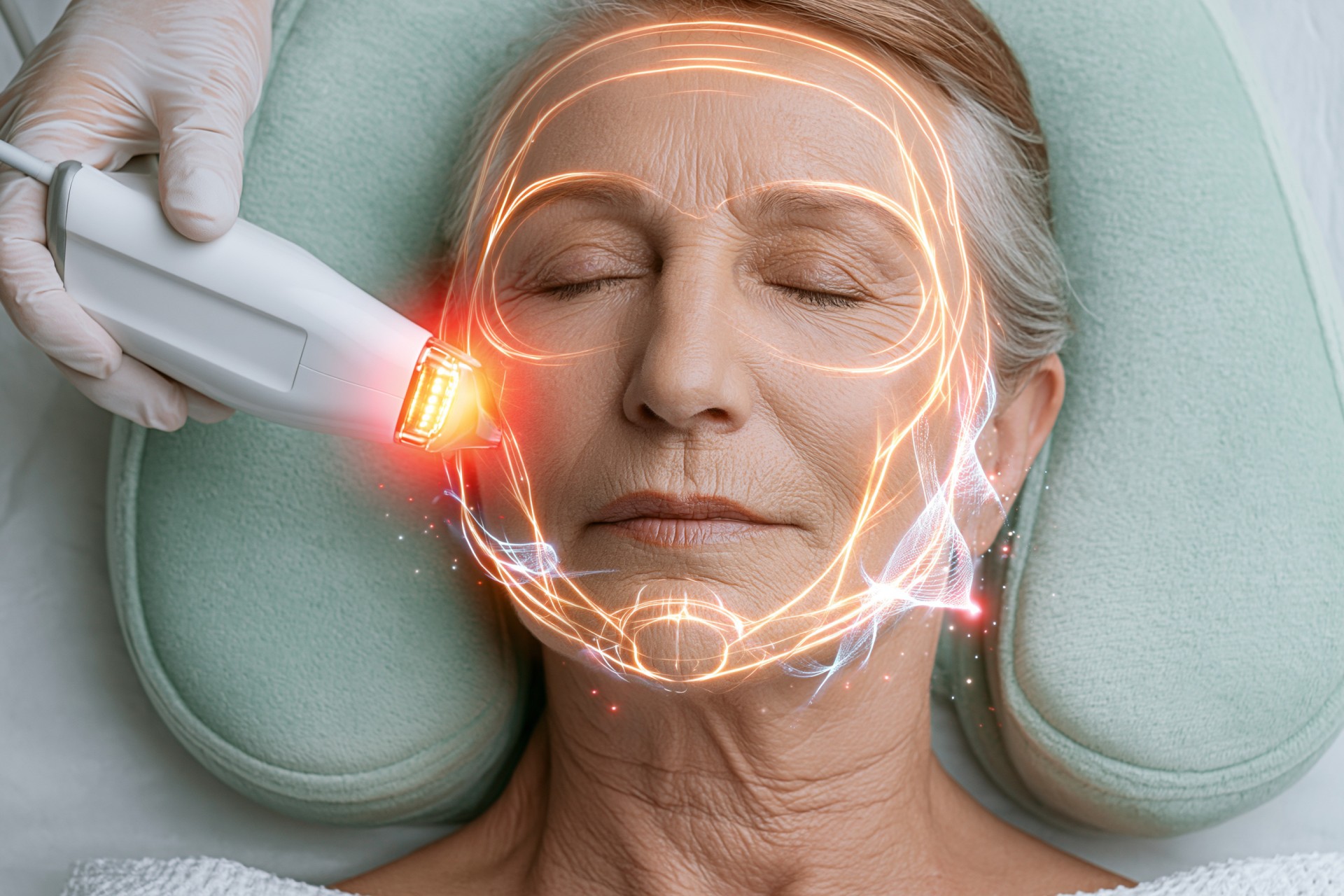
Susan Grey[1], a 60-year-old psychologist and professor at an academic institution with a medical history of PTSD, decided to explore treatment from a dermatology clinic for signs of aging. She was concerned with pigmentation changes and wrinkles on her face. Our insured physician, Dr. Raum[2], performed the initial consultation. He examined her skin and noted diffuse fine lines and moderate photodamage. He discussed the cosmetic treatments available to combat such signs of aging. The patient indicated that she was reading about the cosmetic procedure CO2 resurfacing laser treatment on the internet and was most interested in the results this could offer her. Dr. Raum determined that the patient was a candidate for the procedure. He discussed what the procedure would entail including stages of recovery, which was explained with photographs, expectations, risks of the procedure, the down time associated with the procedure, recovery length, as well as the cost. He documented specifically that he showed photographs to the patient of the different stages of recovery and discussed risks with her. He also documented that he answered all of the patient’s questions about the procedure.
The patient underwent a full-face CO2 procedure with exosome plant protein therapy in conjunction with the laser. Protective eyewear was placed on the patient during the procedure. She was given numerous prescription medications to use post-procedure, including Tramadol 50mg for pain. Seven days later, the patient presented to Dr. Raum for her one-week post procedure follow-up. Ms. Grey’s face was noted to have swelling and redness, along with hot spots on her eyelids. Dr. Raum took a culture of her eyelids. He recommended saline/corn starch soaks for her eyelids and for the patient to continue Aquaphor. He also applied Exosomes. By her two week follow-up, the patient looked as expected with a swollen face and redness. Her scabs had fallen off. She was to continue the use of Aquaphor and coconut oil along with soaks. Ms. Grey underwent Intense Pulsed Light (IPL) therapy for redness. By her third follow-up visit, almost a month out from the procedure, the patient continued to express concern with her slow healing. Dr. Raum performed an IPL treatment followed by a Fotona Laser treatment for redness with an increased setting during the visit.
Ms. Grey texted Dr. Raum twice and sent photos asking whether her face should look so raw and swollen. Dr. Raum scheduled another appointment for Ms. Grey. However, the patient did not return. The patient sought treatment from another provider to receive Miria laser treatment with Pro-Nox (50/50 mixture of nitrous oxide and oxygen) to correct the alleged damage done due to CO2 and subsequent care provided by Dr. Raum.
Ms. Grey filed suit against Dr. Raum and his clinic alleging the following negligence:
Failure to provide reasonable care and services causing permanent scarring and burns due to lack of precautions;
Performance of an inappropriate number of laser treatments within a short timeperiod;
Failure to reevaluate treatment once the patient experienced ulcerated lesions and an abnormal amount of swelling;
Failure to properly document settings; and
Failure to get appropriate consent.
As to damages, she claimed that the CO2 laser resurfacing procedure performed along with follow-up IPL, Fotona laser treatments, and exosome therapy, caused permanent facial scarring, pigment loss, burns, redness, chronic pain, and emotional distress. She contended that the procedures were performed too frequently, that the treatment plan was not appropriately reevaluated despite complications, and that informed consent was not obtained.
The most significant defense weakness throughout the case was the absence of a signed written consent form for an aggressive dermatologic procedure. At his deposition, Dr. Raum testified that he believed the patient understood the risks of the procedure. He noted that he showed her pictures of every stage of the recovery. Also, there was evidence suggesting that informed consent discussions occurred in his notes. However, no executed consent form could be located or attested to. The typical process in Dr. Ruam’s office was for the nurse to review the informed consent form with the patient and then have the patient sign the form. Unfortunately in this case, the typical practice was not followed. The plaintiff testified that she was unaware of the risks associated with the procedure, such as the scarring near her mouth and chin. She also testified that she did not truly understand the experimental use of plant-based exosome therapy in conjunction with ablative CO2 laser treatment. While she testified she knew there would be redness, blistering, skin peeling, and a lengthy recovery, she had no idea that it would impact her work commitments. In addition to the permanent facial scaring, she claimed six figure economic damages due to her inability to perform as a public speaker as a result of how her face looked and the emotional distress she experienced from this embarrassment.
While Dr. Raum denied negligence and maintained the treatment complied with the standard of care, he strongly desired resolution of the litigation due to personal issues. Our defense expert reviewed the matter, and while he did not say the care deviated from the standard of care, he did opine that the IPL schedule was too frequent as it is normally 4-6 weeks apart. He also questioned the use of the Fontona laser for redness. He did note that there is a risk of scarring when undergoing a CO2 laser procedure. Given these factors and the lack of written consent, our insured and defense counsel believed the case warranted settlement. The settlement reflected the litigation risk created by the lack of a signed consent form.
This case offers several important educational points for physicians, particularly those performing cosmetic, elective, or high-risk procedures.
1. Documented Consent Is Important
The most significant weakness in the defensibility of the care in this case was the absence of a signed consent form. While the physician reportedly had multiple discussions regarding the procedure risks, expectations, and benefits, the inability to produce a signed consent form outlining these things and acknowledged by the patient in writing greatly weakened the defense. Before moving forward with any invasive procedures, written consent documenting the specific risks discussed, alternatives considered, patient questions, and the patient's decision to proceed is recommended. Make sure there are procedures in place, which are followed by staff to ensure the consent form is placed in the medical record before moving forward with a procedure. This error was staff error, but the physician bore the liability.
2. Thorough Documentation of Clinical Decision-Making Is Critical
In this case, the patient alleged that the IPL and Fotona were performed too close together and that the treatment plan was not adjusted despite complications. To combat this allegation, clearly documenting why additional treatments are being recommended and explaining in the chart why benefits outweigh risks will help your defense.
3. Litigation Involving Cosmetic Procedures Are Often Judged by Outcome of the Procedure
Patients seeking cosmetic procedures often have high expectations for their outcomes, and the concerns they hope to address may be deeply personal. Even when care complies with the standard of care, a patient may remain dissatisfied if the final result does not match the patient’s expectations or desired appearance. Dissatisfaction with aesthetic outcomes can lead to litigation despite technically appropriate treatment. Set realistic expectations and discuss expected appearance during recovery, including redness, swelling, pain, discoloration, and healing timelines. Treat every postoperative complaint as an opportunity to document the assessment and reassessment.
4. Consider Psychological Factors When Evaluating Cosmetic Candidates
In this case, Dr. Raum stated he would not have performed the procedure had he known about the patient's history of PTSD because of the lengthy and difficult recovery process. A good takeaway is to carefully screen cosmetic patients for psychological conditions, body image concerns, unrealistic expectations, or significant anxiety. If you think the procedure sought may impact the patient’s mental health, think twice about performing the treatment.
[1] , [2] Names of all parties involved have been changed.
The contents of The Sentinel are intended for educational/informational purposes only and do not constitute legal advice. Policyholders are urged to consult with their personal attorney for legal advice, as specific legal requirements may vary from state to state and/or change over time.
